Start in the lab first, or move directly to your own system?
Not every task justifies an in-house system immediately. If the specimen, the zone, the target property or the evaluation path are still open, a lab start is often the faster and more economical way to reach a robust decision.
An in-house system becomes meaningful when local material properties are needed repeatedly, teams should work independently or throughput, automation and reproducibility become a permanent requirement.
- start in the lab when the measurement target, the zone or the part logic still need validation
- choose Eco or Pro when local properties should be built up permanently in-house
- choose mBV or BVR when hardness testing and local material insight should be organised together
- choose Inline when testing should move closer to the process, the part or the production line
Which system class solves which problem?
The product overview is deliberately not just a device list. It leads from the actual selection problem to the right Indentation Plastometry system class: economical entry, high point counts, combined hardness testing or process-near integration.
That means the decision is not prepared only through a datasheet, but through cycle time, zone logic, team role, repeat frequency and the real workflow.
- WLI Eco for a fast entry, smaller teams and economical in-house availability
- WLI Pro for mapping, high point counts, screening and automated routines
- mBV for lab and QA workflows that combine hardness testing with local material properties
- BVR for robust, serial-process routines with a higher degree of automation
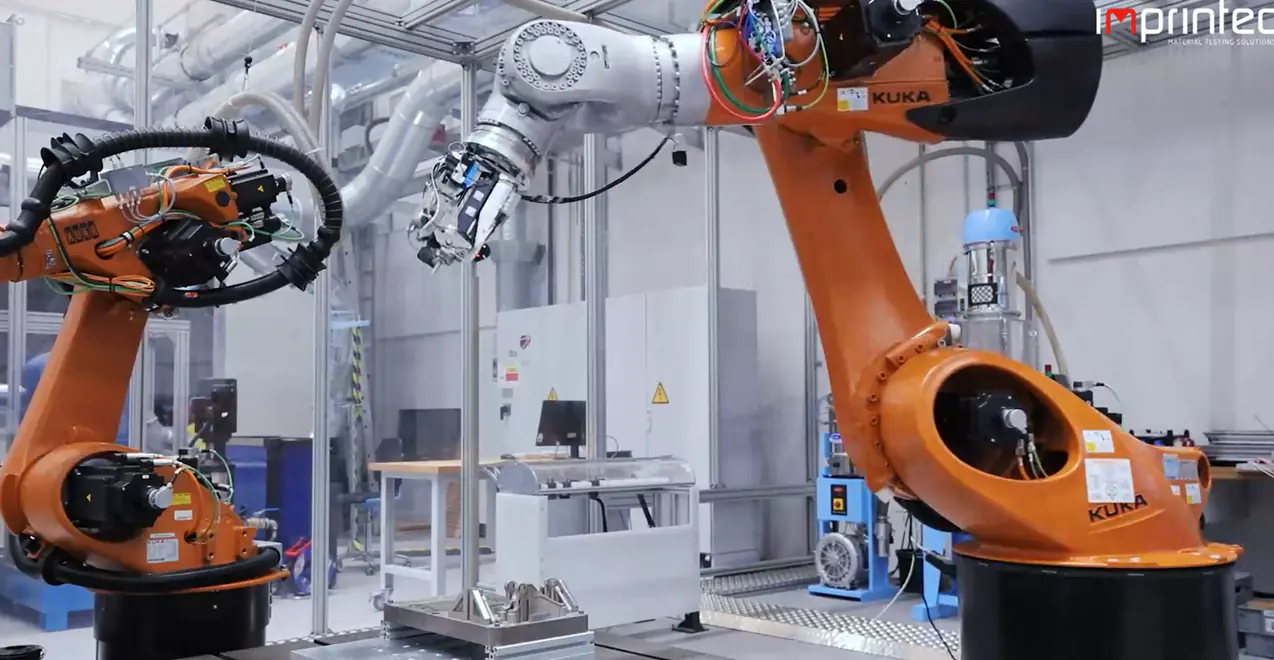
- Inline for projects where material data should feed directly into QA or process decisions
When the discussion becomes genuinely useful
A useful first discussion usually needs less information than expected. Once the part, the critical zone, the required property and the rough cycle-time or quantity logic are clear, the sensible system class can usually be narrowed down quickly.
That is where the real call to action begins, not after the last datasheet, but as soon as it is clear which internal decision needs to become faster and more reliable.
- name the part or specimen type
- define the critical zone or measurement position
- state the required result, such as yield strength Rᶦₚ₀.₂, tensile strength Rᶦₘ, a stress-strain curve or a hardness comparison
- describe the rough quantity, cycle time or recurrence