
Local properties instead of a global average
Relevant when Rᶦₚ₀.₂, Rᶦₘ or stress-strain curves are required directly at a weld, in the HAZ, at the edge zone, on a small geometry or on the real part.


Applications
Testing context
What matters is whether you need local material properties at a weld, HAZ, batch, small geometry or real part zone. That is what determines whether i3D® fits technically and economically.
Relevant when Rᶦₚ₀.₂, Rᶦₘ or stress-strain curves are required directly at a weld, in the HAZ, at the edge zone, on a small geometry or on the real part.
Batches, heat treatments, AM parameters or suppliers can be ranked faster before full classical validation begins.
Incoming inspection, release and drift detection benefit when local material deviations need to become visible earlier than after specimen preparation and classical tensile testing.
You can see directly whether the task is about a weld, a part zone, screening, QA, simulation or cost comparison, and which next step fits it.
Entry by testing goal
That makes it easier to see whether you need to understand material states, compare variants or secure approvals and deliveries with local property data.
For alloys, AM parameters, heat treatment, welding parameters and local stress-strain curves, whenever early material data should support the next development decision.
For incoming inspection, supplier comparison, serial release and production-near testing whenever local differences must become visible earlier than in classical tensile-testing routes.
Applications in detail
Whether it is welds, part testing, multisample screening, inline QA, FEM or cost comparison: the detail pages show directly where local properties create technical value and what the next testing path should be.
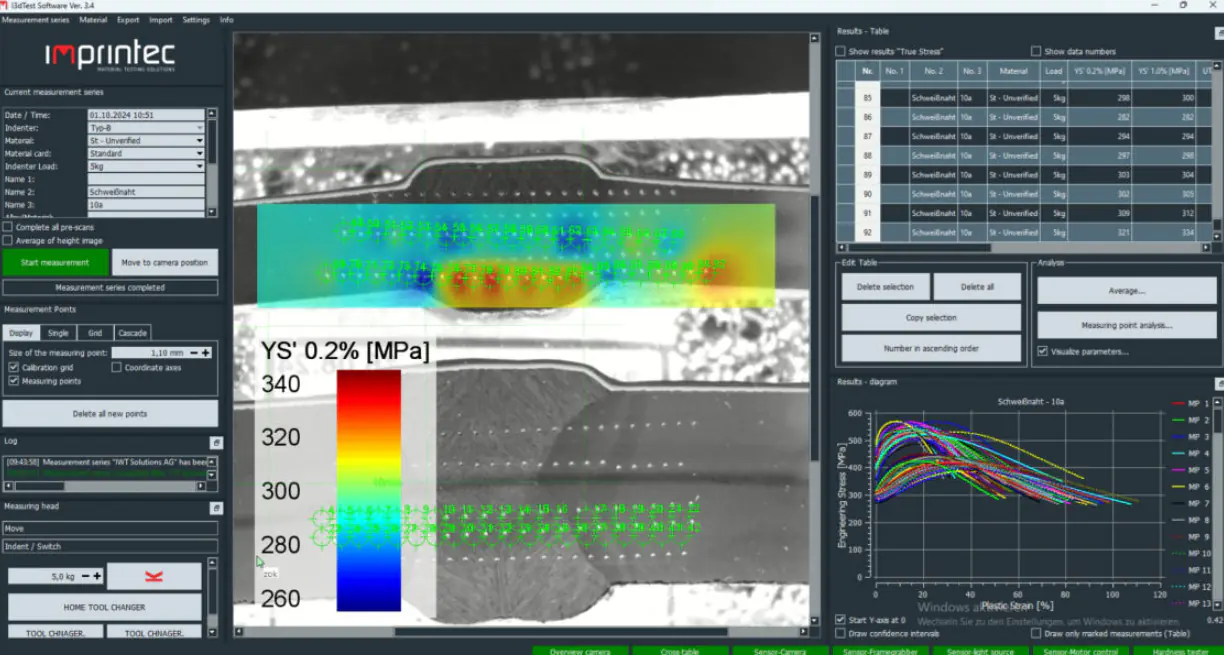
Useful when the real question sits in weld metal, HAZ or local transitions instead of a global specimen average.
Useful for small parts, connection elements and local regions that should not first be converted into classical tensile specimens.
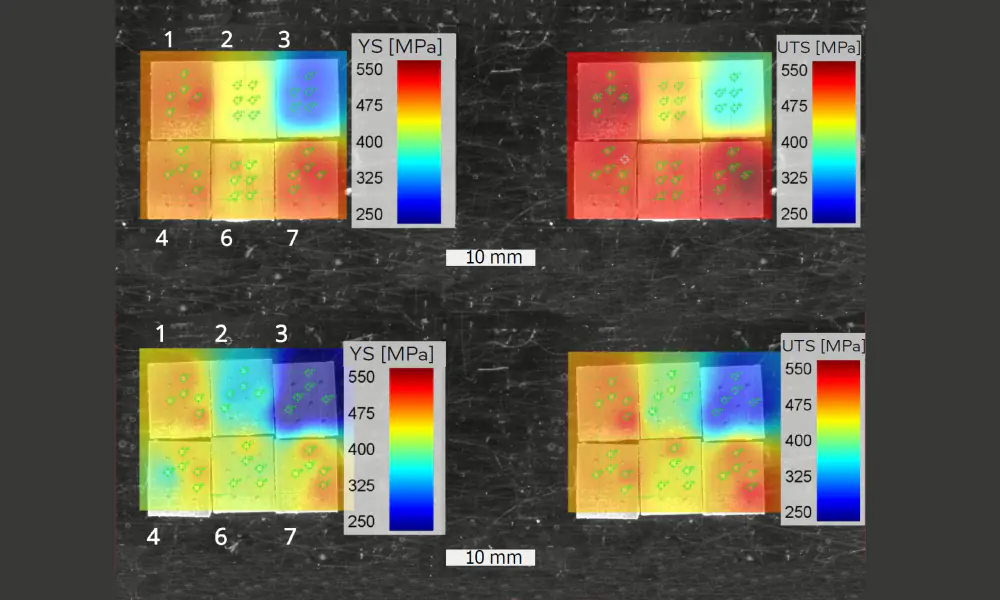
Strong when many variants must be ranked before deeper validation begins.

Relevant for large test matrices, quick preselection and development-oriented screening workflows.
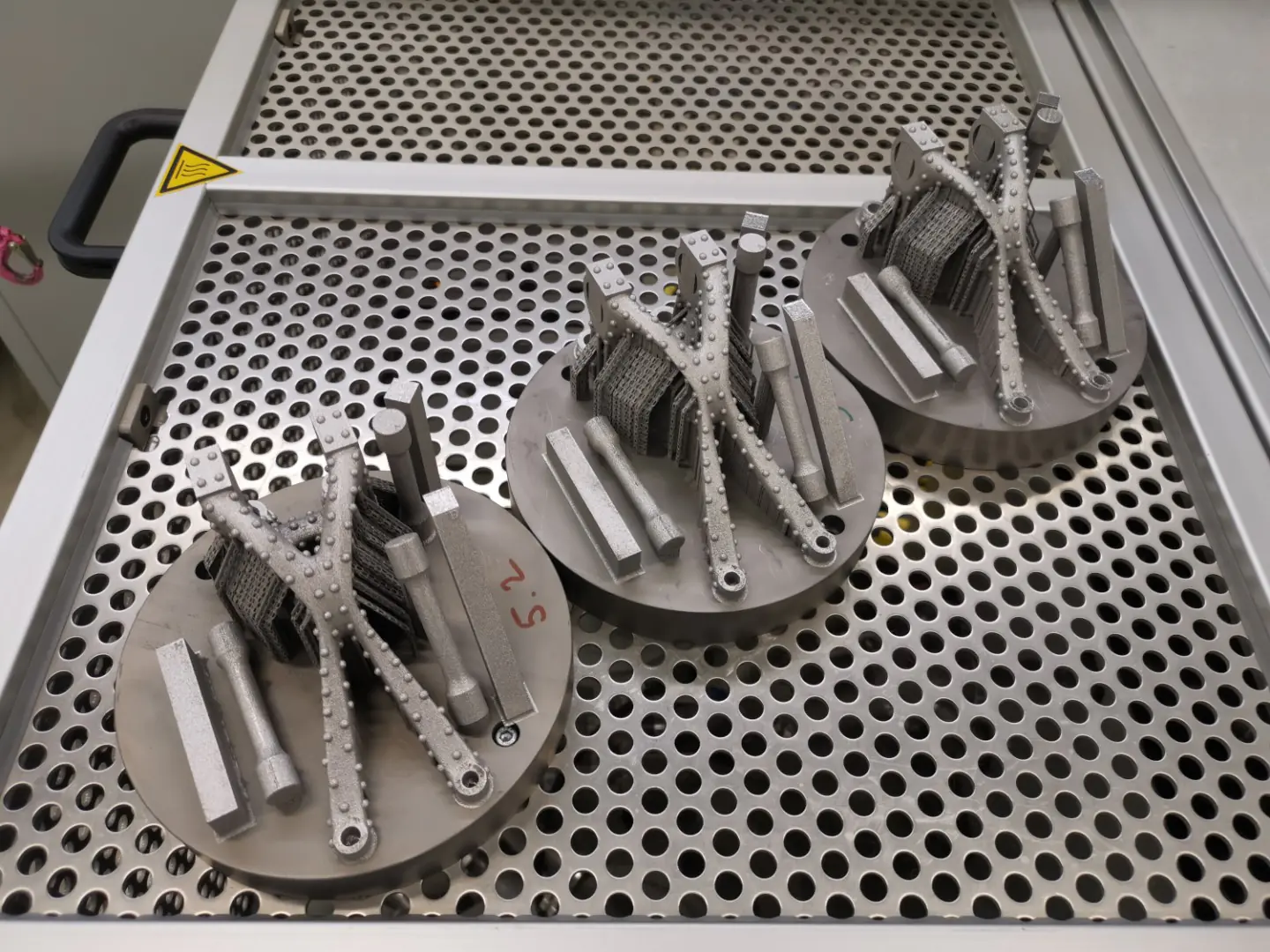
Use this path when material assessment must become available before the route through specimen production and classical tensile testing is complete.
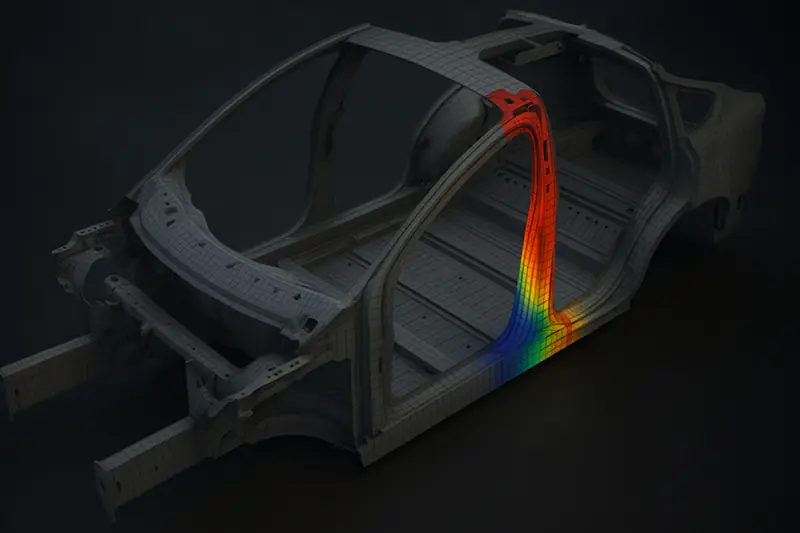
Use this when local stress-strain curves and simulation-ready data matter more than global mean values.

Start here when the technical and economic effort of the test route must be compared directly.
Cost comparison
For many variants, small geometries or local part zones, costs do not come from the measurement alone, but from preparation, waiting time, logistics and destructive test chains. That is exactly where i3D® moves the evaluation closer to the relevant zone.
When the relevant zone is tested directly, the effort for specimen preparation, logistics and conversion into idealised tensile specimens drops significantly.
For screening, serial logic and recurring testing tasks, the economic difference to classical tensile testing with specimen preparation often becomes very visible.
The economic effect usually comes from faster decisions in development, QA and production, not from the individual measurement alone.
Next step
Name the material, the part zone, the required properties and the approximate number of points. From that, it is usually possible to derive quickly whether a lab test, a demo or a system discussion is the right next step.