What all of these i3D® examples have in common
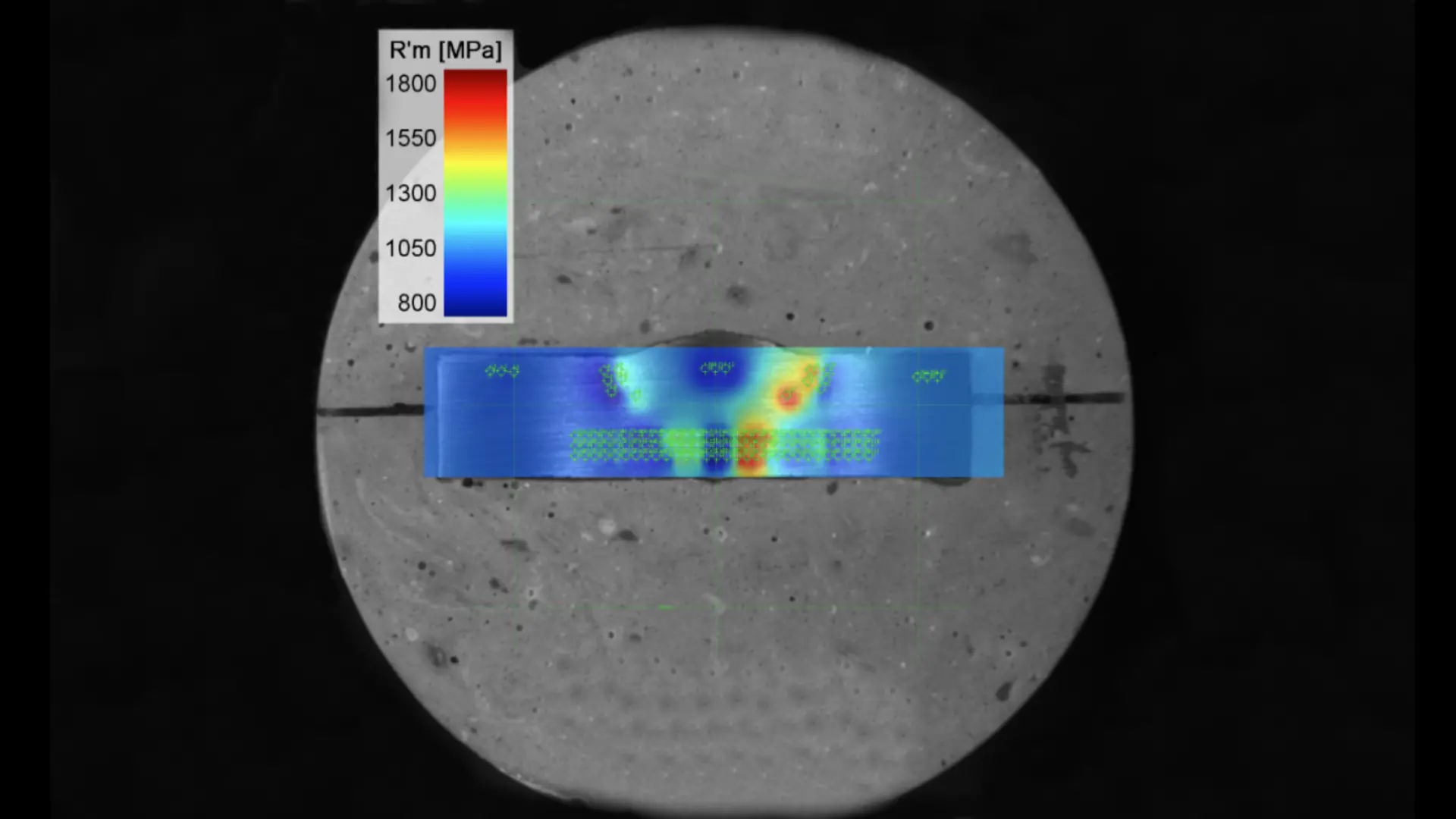
The common core is simple: i3D® becomes strong wherever local Rᶦₚ₀.₂, Rᶦₘ or stress-strain data are needed directly on the relevant zone.
That is why the examples from industry and research show more than usage. They show the fit between i3D® and tasks such as weld zones, additive structures, small geometries or production-near release decisions.
- local Rᶦₚ₀.₂ and Rᶦₘ instead of only global average values
- lower barriers on additive geometries, weld zones and small parts
- earlier decisions in development, QA and the laboratory
Where i3D® can create the biggest practical effect for you
i3D® becomes especially interesting when you do not want to wait for standard specimen routes or external testing chains, but need a robust local statement earlier.
For most visitors, the benefit becomes concrete in less preparation effort, faster iteration and a technical statement that stays closer to the part and the relevant zone.
- faster from the measurement point to a defensible comparison
- useful for screening, release and variant decisions
- well suited when real part zones matter more than the standard specimen
How publications support the i3D® technology technically
If you want to judge i3D® not only by references, but also technically, publications create the connection to materials testing, application and method.
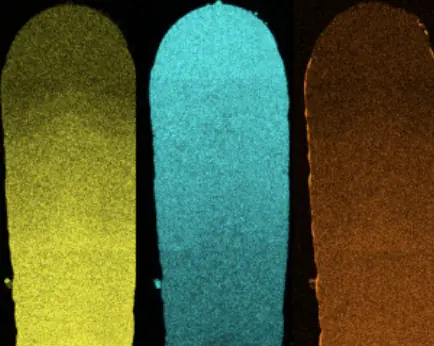
The focus stays on application-related publications that show local mechanical statements on additive structures, weld zones and materials with strong gradients.
- PWAAM transition zones and local property gradients
- L-PBF Ti-6Al-4V with density and property correlation
- welded TMCP steels
- fine-grained low-carbon bainitic steels with improved properties
How to derive the next i3D® step
For you, the relevant next step is not another logo. It is whether i3D® fits the material, the zone and the target property of your task.
That is exactly why this page leads into applications, the laboratory and the contact page: first clarify the task logic, then use i3D® in the right way.
- open the application if the testing task is already clear
- start with a single measurement if you first need one robust report
- use a project discussion if the method, the zone or the target properties still need to be checked against i3D®
Practical relevance
This lets you see directly whether your task is similar and whether i3D® can get you to robust local material data on the real part faster.